
E-mountain bikes (e-MTB) price comparison
8 E-bikes from established makers · Selection index 95.0 −2.8% 7 d · avg €1,813 · as of 18/10/2026
Price table · 8 E-bikes
 PRO·DICEProphete E-Bike Dice 1.0 | 27,5 Zoll |Diamant RH 48cm€1,010−15.8%
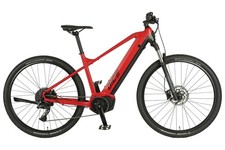 PRO·DICEE-Bike Dice 3.1 E-MTB 29 Zoll 599Wh AEG Mittelmotor 170km€1,850±0.0%
 FIS·MONTISE-Bike MTB E-Mountainbike FISCHER MONTIS 10.0i Fully oliv€2,299±0.0%
 FIS·MONTISE-Bike MTB E-Mountainbike FISCHER MONTIS 10.0i Fully oliv€2,299±0.0%
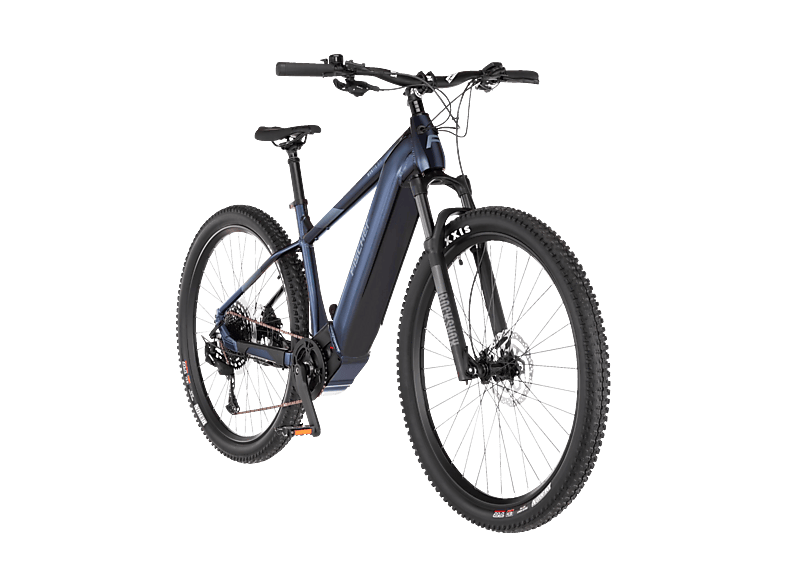 FIS·MONTISFISCHER MONTIS 8.0i ULTIMATE MTB E-Bike - 29 Zoll, RH 49 cm€2,529−6.3%
 FIS·MONTISFischer E-Bike MTB MONTIS 6.0i€1,699±0.0%
 FIS·MONTISFischer E-Bike MTB Montis 10.0i Ultimate Elektrofahrrad für€2,449+5.3%
 PRO·DICEProphete DICE 100 MTB 29 Zoll Fahrrad, Blau, Alu 52 cm€369–
- PRO·DICEProphete E-Bike Dice 1.0 | 27,5 Zoll |Diamant RH 48cmE-MTB · 27.5 ″€1,010±0.0%−15.8%+21.0%
- PRO·DICEE-Bike Dice 3.1 E-MTB 29 Zoll 599Wh AEG Mittelmotor 170km Shimano170 km · E-MTB€1,850±0.0%––
- FIS·MONTISE-Bike MTB E-Mountainbike FISCHER MONTIS 10.0i Fully oliv, RH 43 cm250 W · 170 km€2,299±0.0%±0.0%±0.0%24 d
- FIS·MONTISE-Bike MTB E-Mountainbike FISCHER MONTIS 10.0i Fully oliv, RH 46 cm250 W · 170 km€2,299±0.0%––
- FIS·MONTISFISCHER MONTIS 8.0i ULTIMATE MTB E-Bike - 29 Zoll, RH 49 cm170 km · E-MTB€2,529±0.0%−6.3%−6.3%18 d
- FIS·MONTISFischer E-Bike MTB MONTIS 6.0i, Elektrofahrrad für Damen und HerrenE-MTB · Mid-drive motor€1,699±0.0%±0.0%±0.0%10 d
- FIS·MONTISFischer E-Bike MTB Montis 10.0i Ultimate Elektrofahrrad für Damen und250 W · 170 km€2,449±0.0%+5.3%±0.0%
- PRO·DICEProphete DICE 100 MTB 29 Zoll Fahrrad, Blau, Alu 52 cmE-MTB · 29 ″€369–––
Forest tracks, singletrails or steep climbs on the way to work: an e-MTB takes a lot of the effort out of hills. Here you'll find current deals and the key buying criteria.
Hardtail or full suspension – what do you really need?
A hardtail only has a suspension fork at the front. It is lighter, cheaper and needs less maintenance, and it is perfectly adequate for gravel, forest paths and easy trails. If you mainly commute and ride farm tracks at the weekend, an e-hardtail is usually the most sensible choice.
A full-suspension bike also has rear suspension. That gives more traction and comfort over roots and rocks, but costs weight, money and maintenance (shock servicing, more bearings). A full-suspension bike pays off if you regularly ride technical trails or want to enjoy long descents.
Motor, torque and battery
Mid-drive motors are standard on e-MTBs because they keep the centre of gravity low and central and transfer power through the gears. Budget models often use a rear hub motor – it works, but feels less natural on steep terrain. For serious climbing, 60 to 85 Nm of torque is typical; around 40–50 Nm is enough for hilly tours.
Battery capacity is given in watt-hours (Wh). Off-road you use considerably more energy than on tarmac, so 500 Wh is a sensible minimum for longer rides. Many listings only state volts and amp-hours: multiply the two (e.g. 36 V × 14 Ah ≈ 500 Wh) and you can compare models fairly.
Beware of “e-MTBs” with 1000 watts and 45 km/h
Marketplaces list plenty of e-mountain bikes with specs such as 1000 W, a throttle or 45 km/h. Bikes like these are no longer pedelecs but motor vehicles – without type approval, an insurance plate and the right driving licence you may not ride them on public roads. We therefore filter these models out of this comparison page as far as possible.
- Continuous rated motor power: max. 250 W
- Assistance cuts out at 25 km/h
- Push assist without pedalling only up to 6 km/h
- Hydraulic disc brakes are essential off-road, not a luxury
Common mistakes when buying an e-MTB
The most common mistake is the wrong frame size: a frame that is too big makes the bike hard to control off-road. Go by the manufacturer's size chart for your height and inside leg. The second classic: skimping on brakes and tyres. An e-MTB often weighs over 22 kg and gets fast downhill – powerful four-piston or at least good two-piston brakes and grippy tyres matter more than a display with an app.