
E-fat bikes price comparison
51 E-bikes · Selection index 100.2 −0.5% 7 d · avg €784 · as of 18/10/2026
Price table · 51 E-bikes
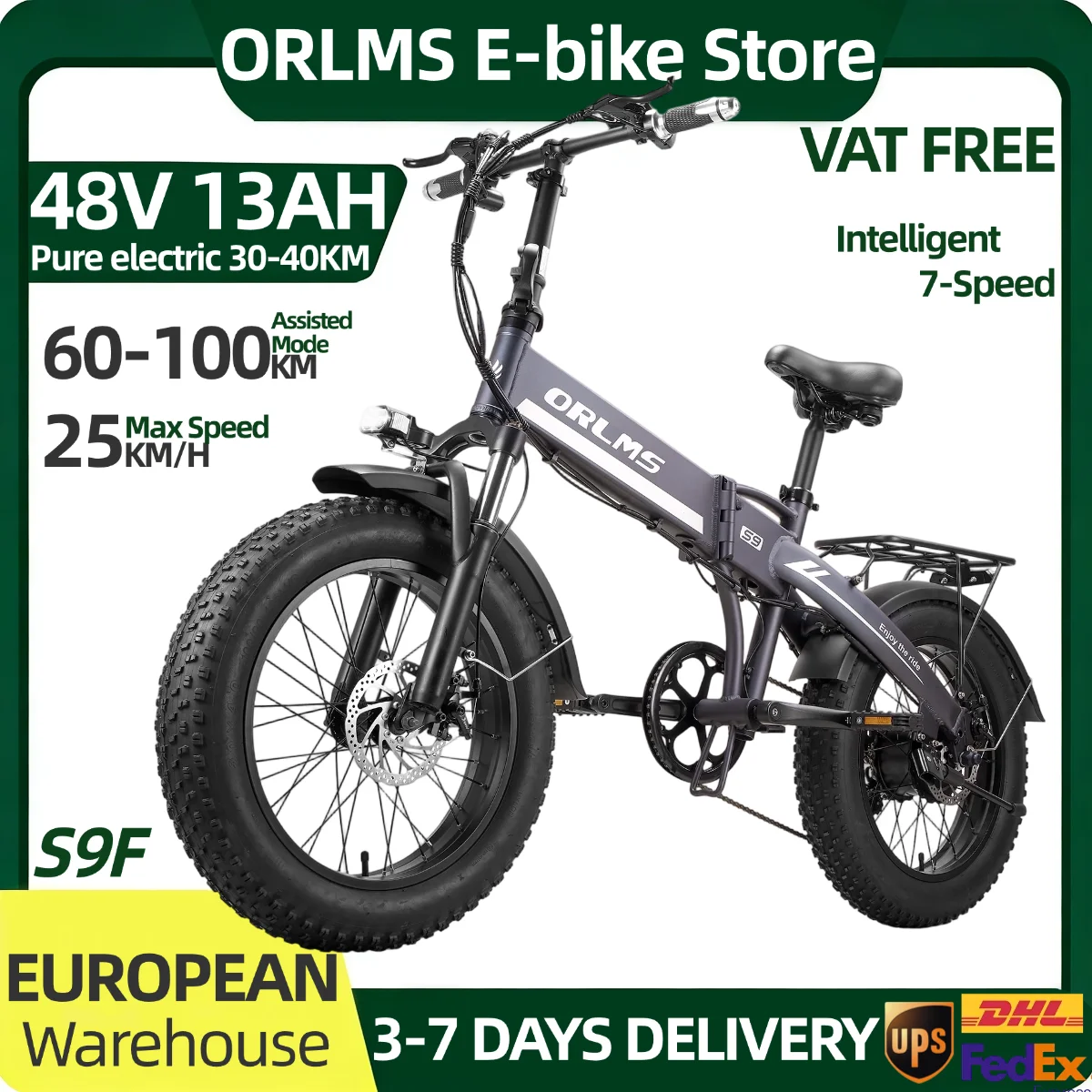 ORL·S9FOrlms S9F 48V 13Ah Elektrofahrrad für Erwachsene€714±0.0%
 CMA·KS26Elektrofahrrad CMACEWHEEL KS26 48V18AH Akku City E-Bike€716±0.0%
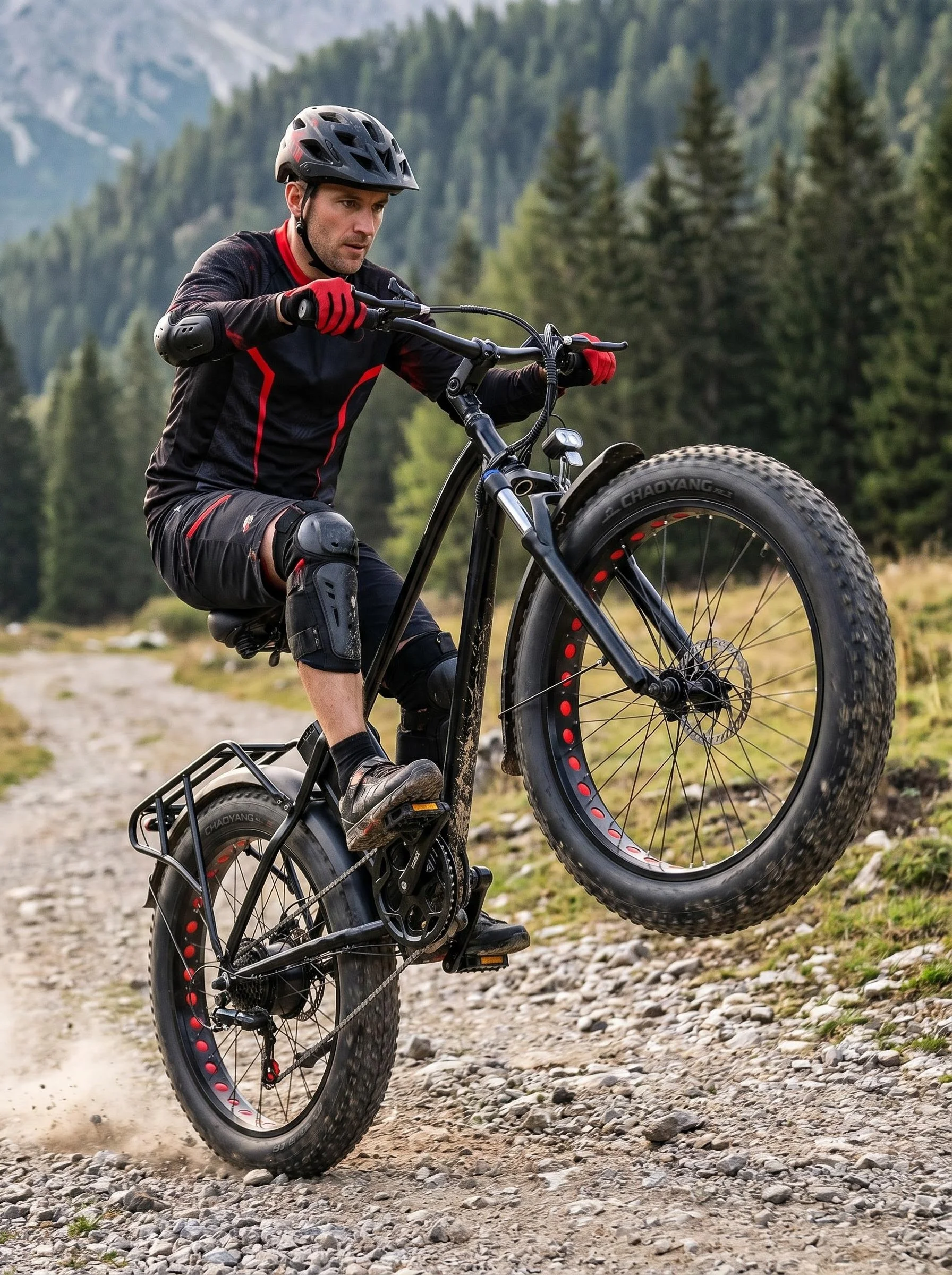
 WO·D64026 Zoll E Mountainbike 48V 18AH eBike Herren Fat Tyre€699±0.0%
 WO·5B96Elektrofahrrad 26 Zoll Trekking eBike 48V 20AH E€699±0.0%
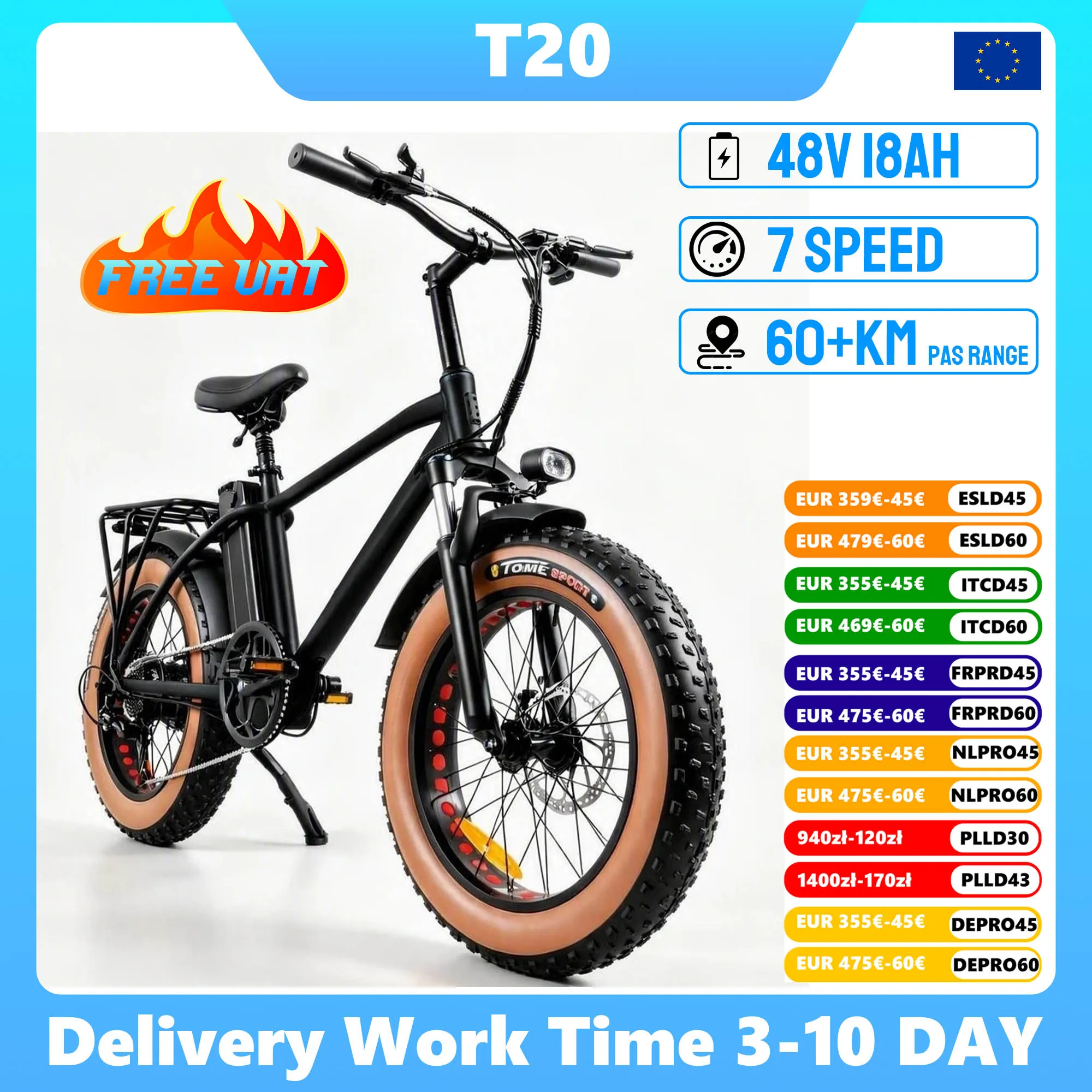 EU·LAGERBESElektrofahrrad 48V 18AH Akku City E-Bike 20 Zoll Fat Tire€700−2.1%
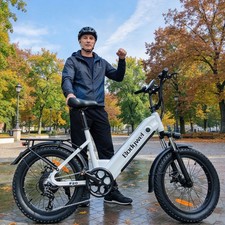 BODYWELBodywel E-Bike Elektrofahrrad 48V 15Ah 250W 25km/h Pedelec€730±0.0%
 AHE-Bike Fatbike 20*4 Zoll Elektrofahrrad 48V 17,8 Ah 120km€679±0.0%
 WO·4B99Herren Damen 20 Zoll City E-Bike 48V 16AH Faltbar Fat Tire€679±0.0%
 URLIFEURLIFE 16 Zoll Fettreifen E-Bike 250W Elektrofahrrad 48V13Ah€665±0.0%
 WO·5479Elektrofahrrad 20 Zoll Fette Reifen eBike 48V 18Ah Akku€659±0.0%
 TRA·KMKlappbar 16 Zoll Elektrofahrrad E-bike Fat Tire Tragbares€651±0.0%
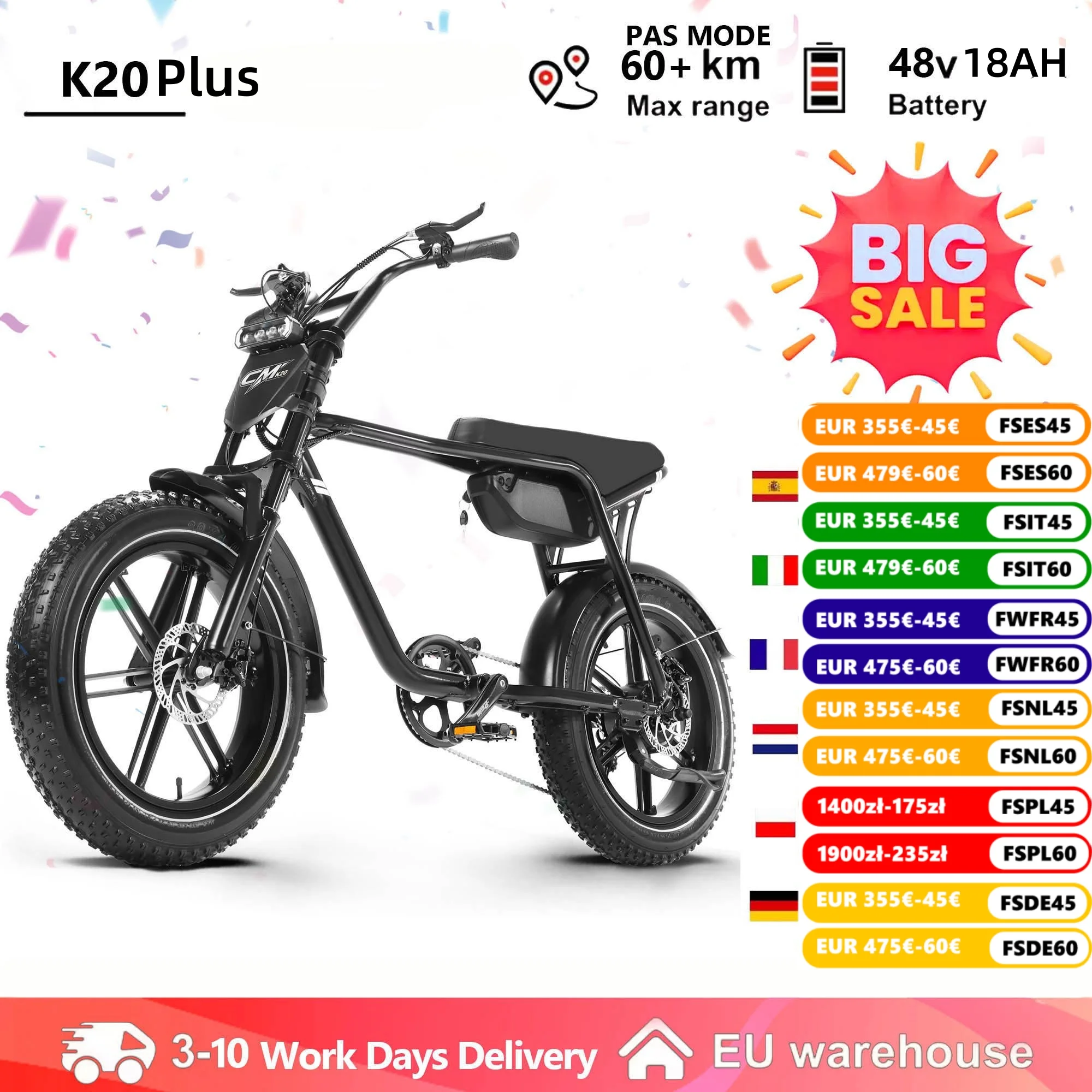 FED·VORNE20-Zoll-E-Bike für Erwachsene, 48V15AH Elektrofahrrad€652±0.0%
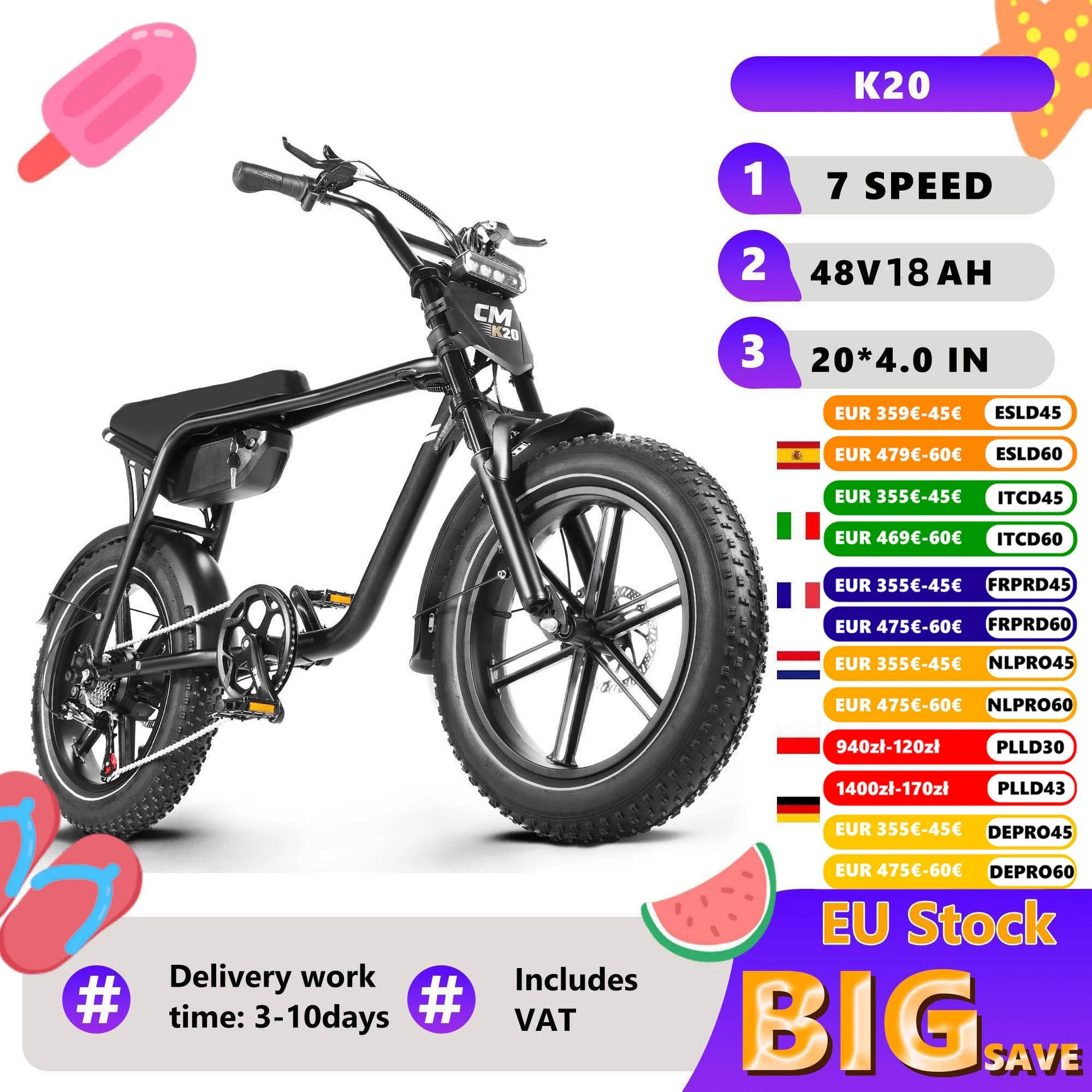 SCH·GELAENDEeBIKE Elektrofahrrad 48V18Ah Fat Tire E-Bike 20" × 4.0€588−6.1%
 URL·X4URLIFE 20"x4.0 Fat EBike für Erwachsene 48V 15,6Ah 110 km€650±0.0%
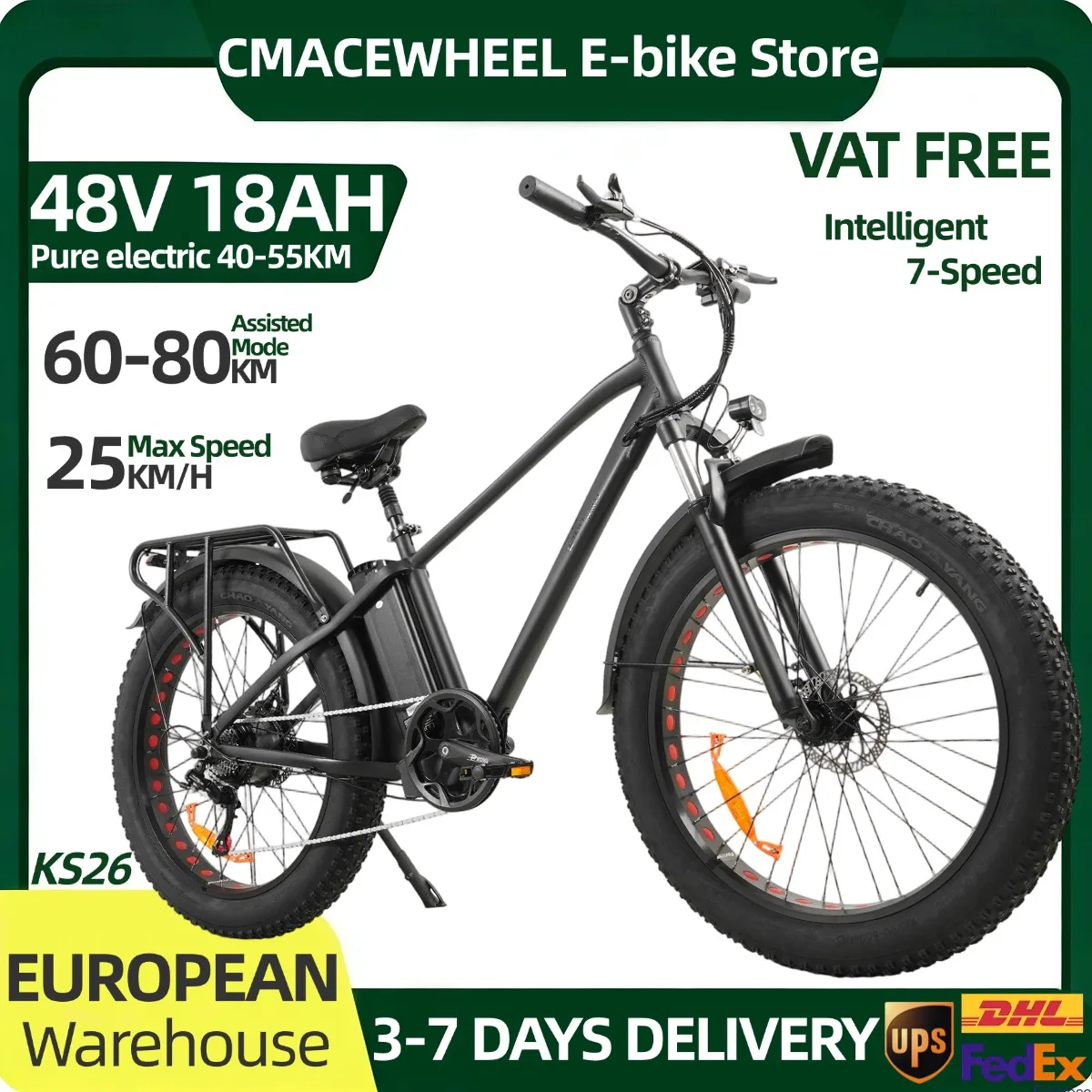 CMA·KS26Cmacewheel Ks26 48V 18Ah Elektrofahrrad für Erwachsene€793+11.1%
 WO·72D120 Zoll Elektrofahrrad Herren E-Bike 48V 20AH Klapprad€799±0.0%
 FAHRRADKKlapprad E-Bike 16 * 2.15 Zoll Fat Tire Elektrofahrrad mit€630±0.0%
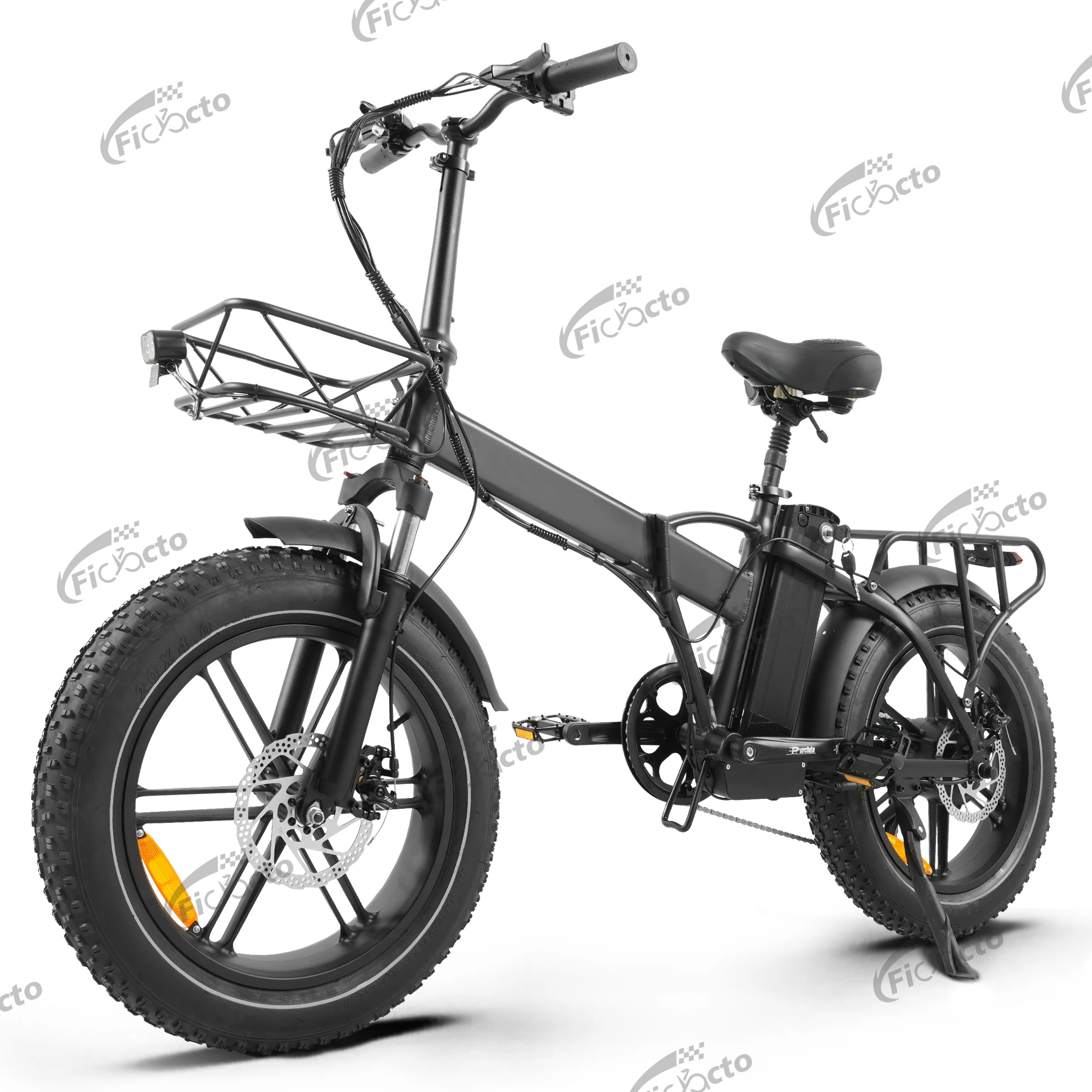 CMA·GW20Elektrofahrrad CMACEWHEEL GW20 48V18AH€811±0.0%
 PENDLERE-Bike 48V 18AH City ebike 20 Zoll Pendler-Elektrofahrrad€599±0.0%
 HIL·MILEPORTHillMiles MilePort 1 E-Bike 20 Zoll Fatbike 36V 13Ah 100km€599±0.0%
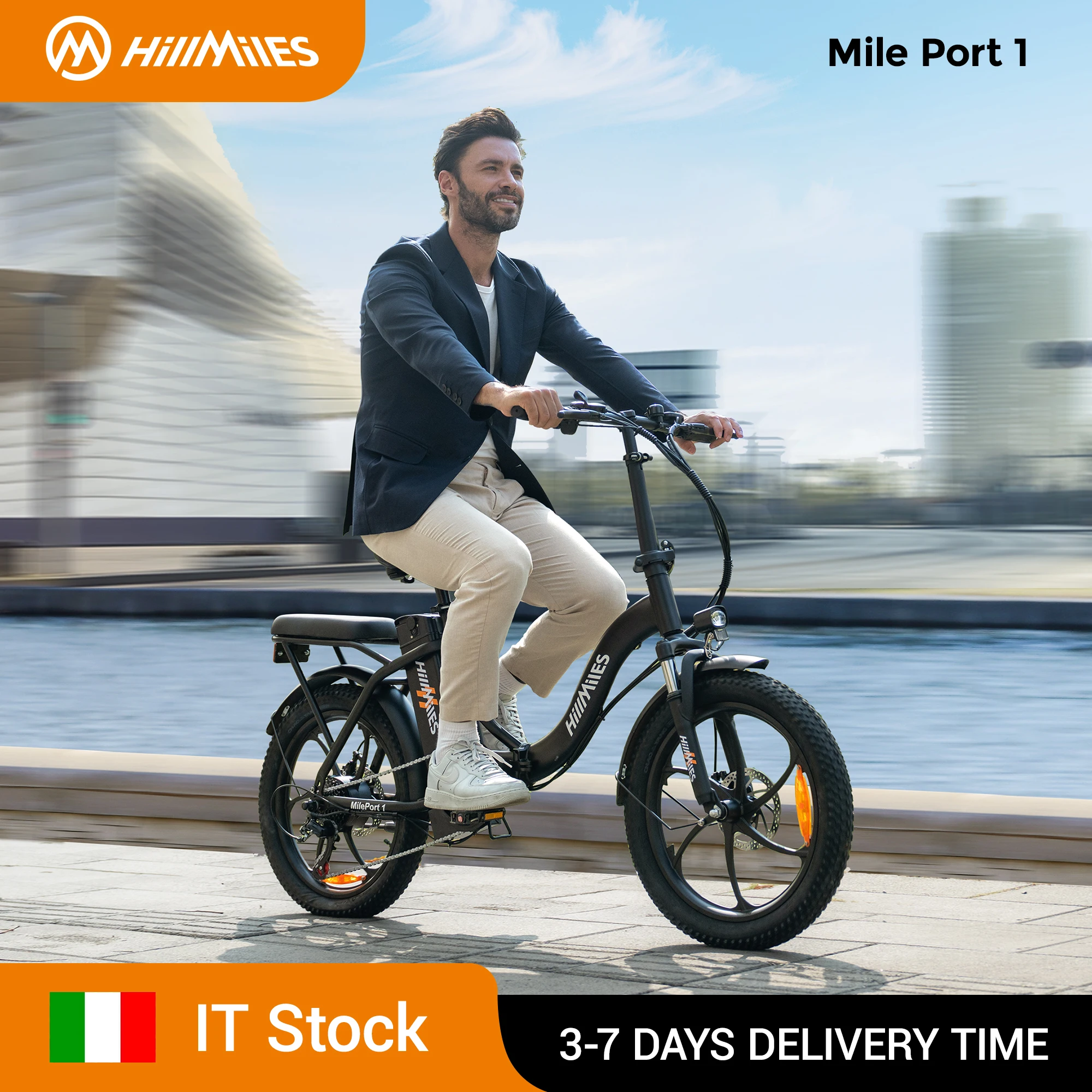 HIL·MILEPORTHillMiles MilePort Klappbares Elektrofahrrad€599±0.0%
 BOD·MOUNTAINBodywel E Bike Elektrofahrrad 48V 20Ah 250W E-Mountain Bike€860±0.0%
 VOM·X80VOMO X80 Pro Fatbike Elektrofahrrad E Bike 250 Watt 60 KM€869±0.0%
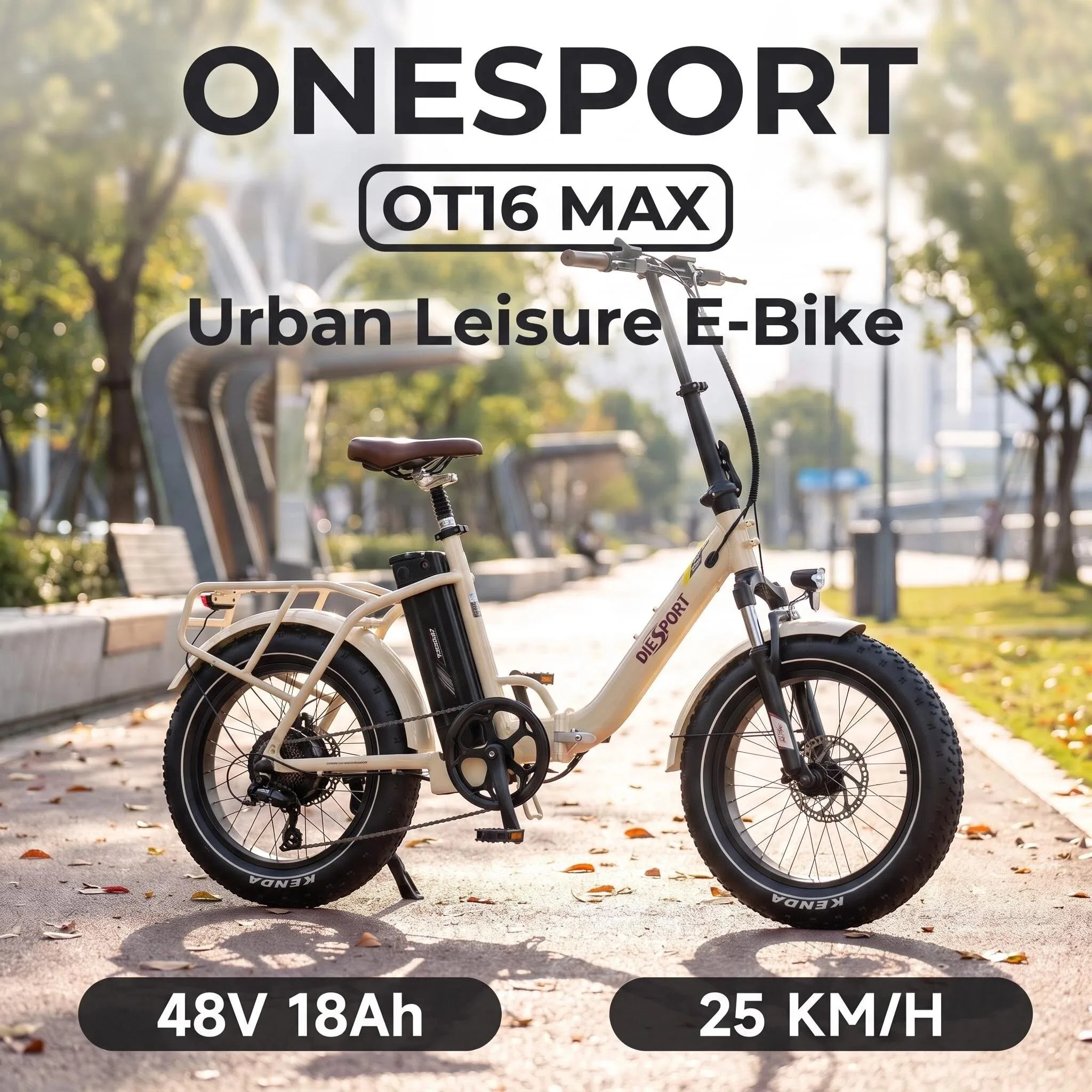 ONE·OT16Onesport OT16 Max Klappbares E-Bike 20x4.0 Fat Tire 48V18Ah€881±0.0%
 WO·0671Elektrofahrrad für Erwachsene, 20" x 3,0" Fatbike-Reifen€540±0.0%
 URL·LANGSTREURLIFE 20 Zoll 3.0 Fatbike E-Bike 250W Elektrofahrrad 48V€540±0.0%
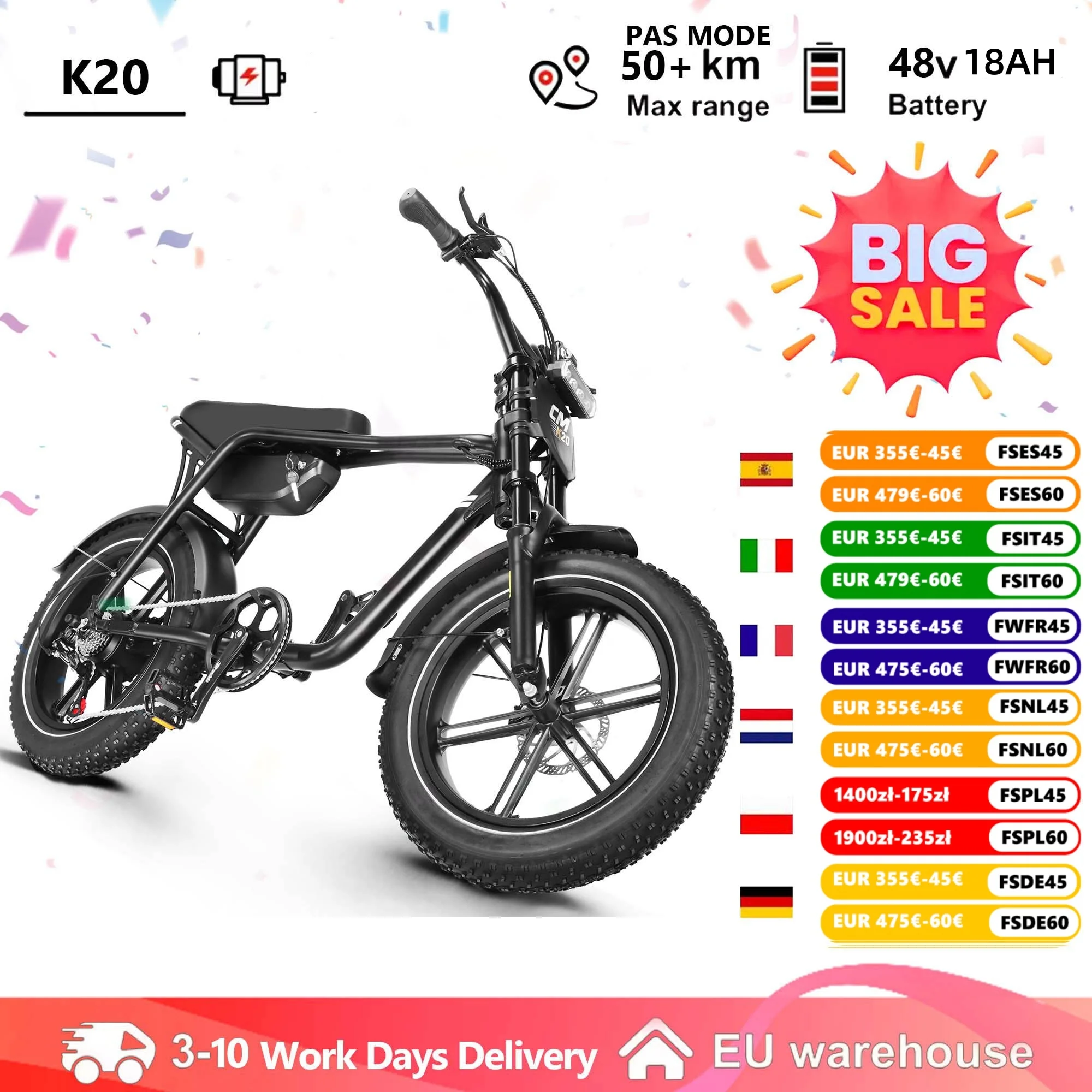 FEDERGABElektrofahrrad 48V 18Ah E-Bike 20 Zoll 7-Gang Mountainbike€534−8.8%
 WO·B30920 zoll Elektrofahrrad Fatbike Klappbar E-Bike E-Faltrad€500±0.0%
 ENG·L20ENGWE L20 Boost E-Bike 20 Zoll Fat Tire 250W 75Nm 48V 13Ah€1,049±0.0%
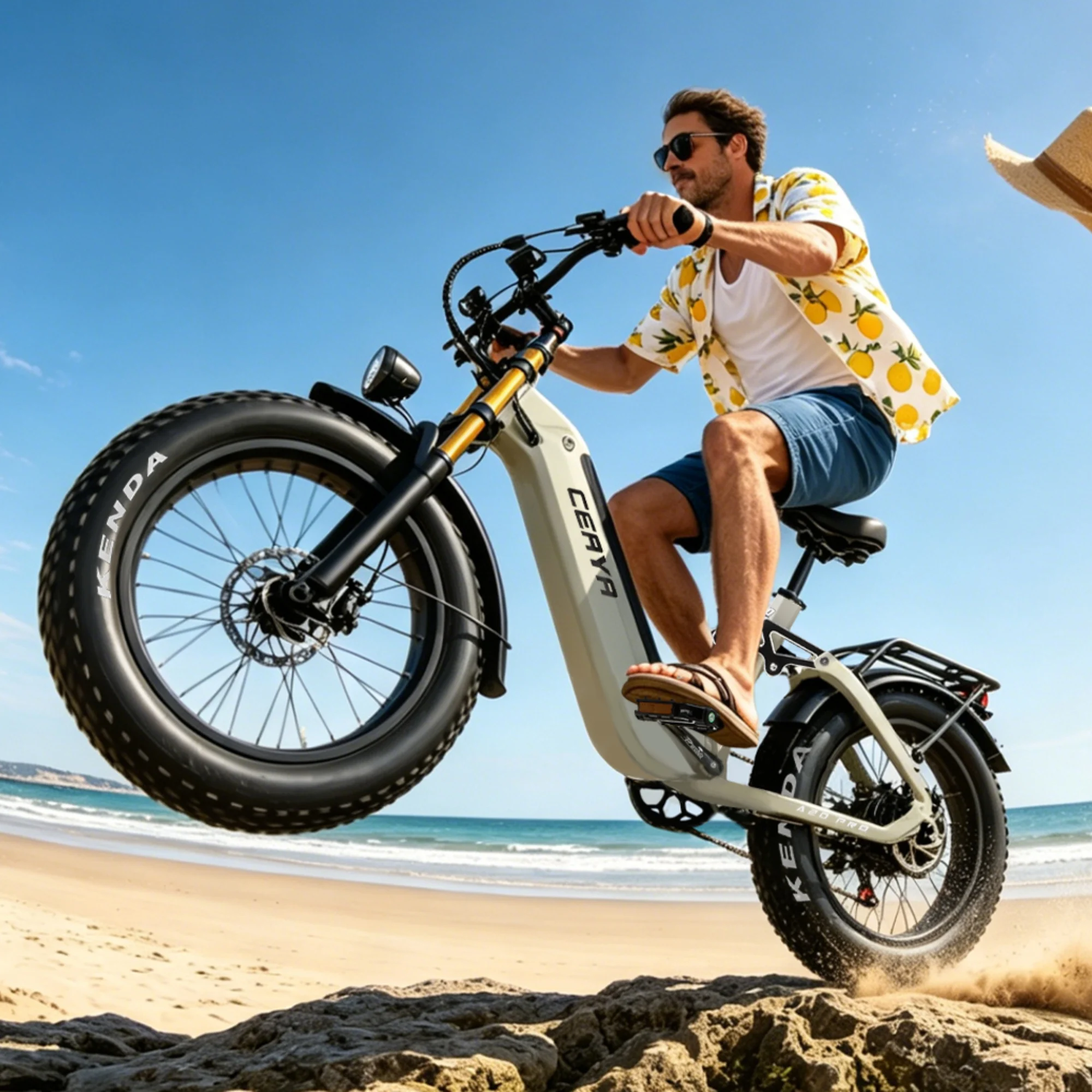 CEA·A20PROCEAYA A20PRO Elektrofahrrad 48V 20AH Akku E-Mountainbike für€1,262±0.0%
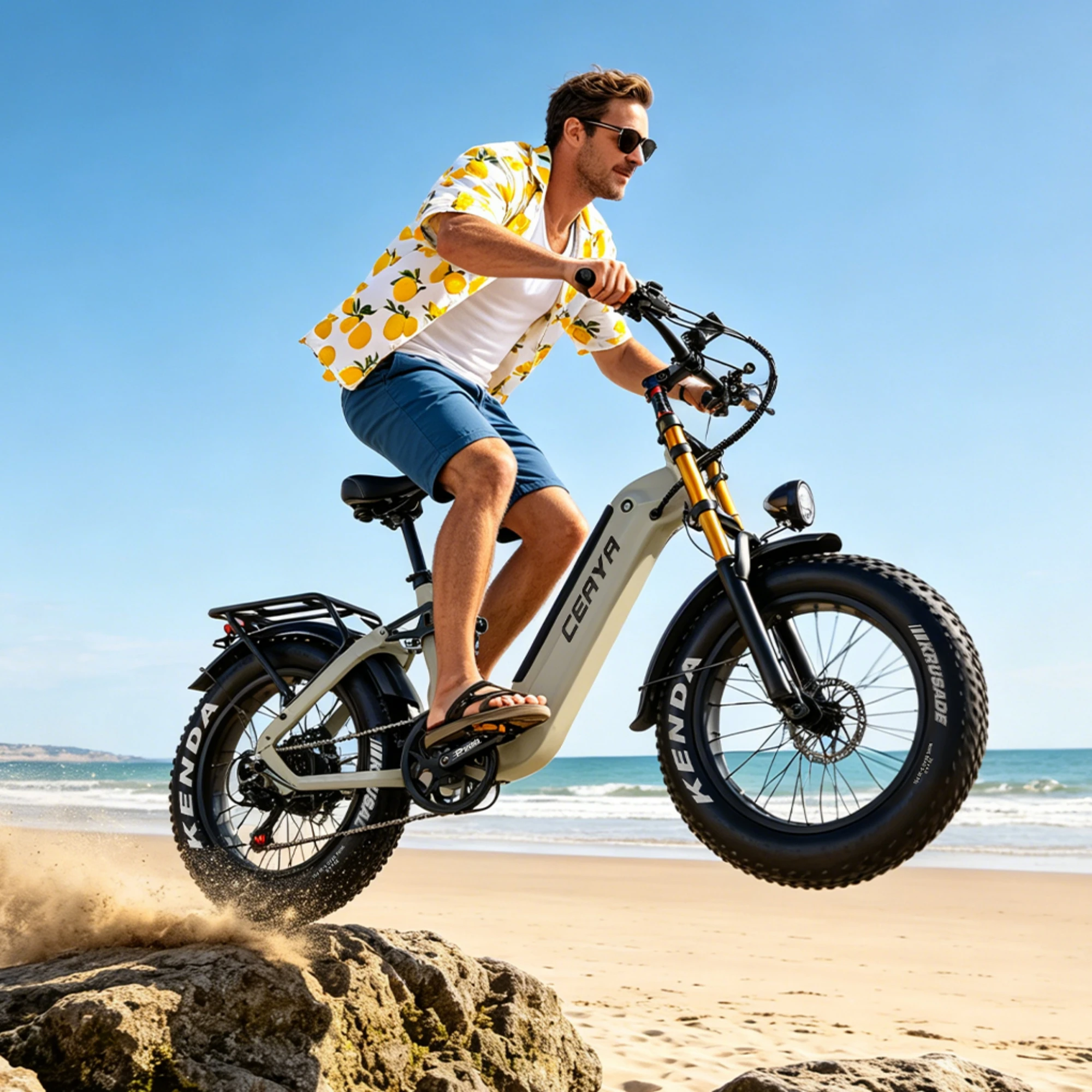 CEA·A20PROElektrofahrrad CEAYA A20PRO E-Bike für Erwachsene€1,269±0.0%
 RCB·G19RCB G19 E-Bike Fatbike 20 Zoll 48V 22.5Ah 130KM Torque€1,299±0.0%
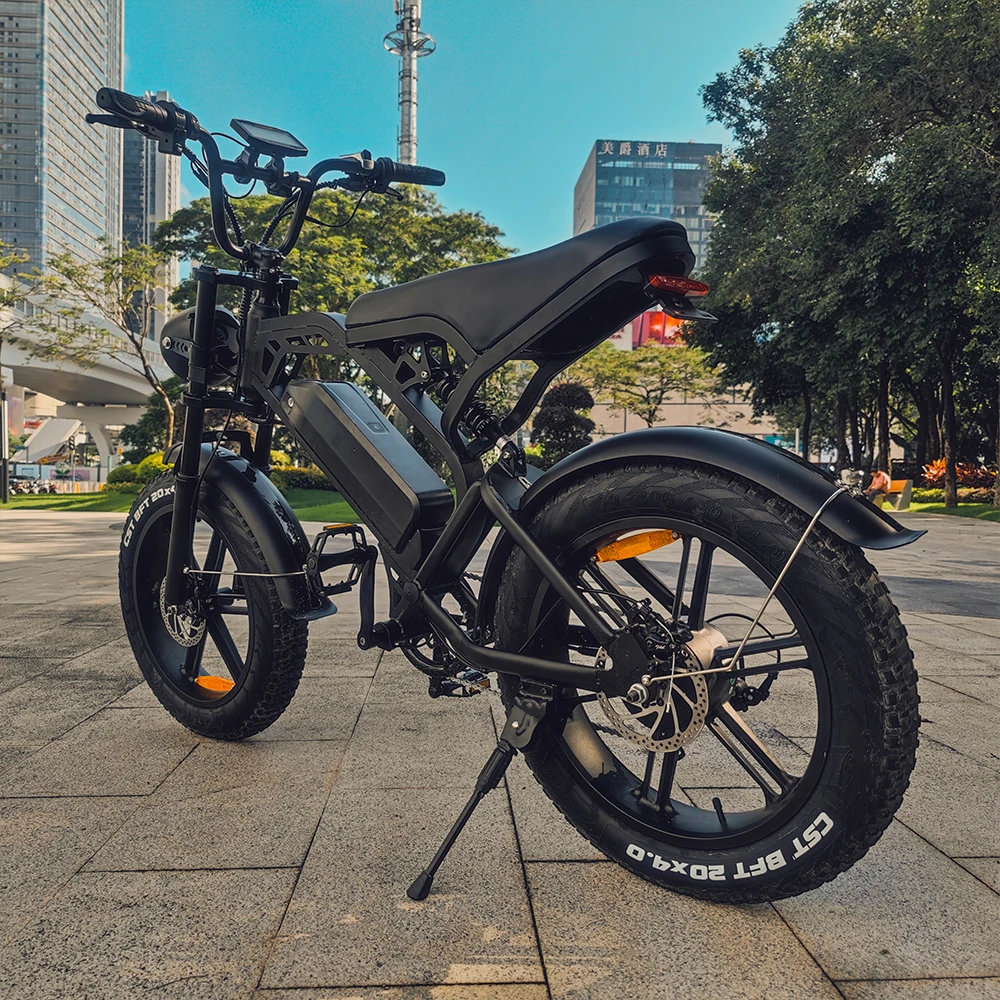 YTY·V20YTYIN V20 Fat Tire Elektrofahrrad im EU- und USA-Lager€1,462+0.2%
 ASK·ALLASKGO E Bike Herren Damen, 48V 20Ah Akku€610±0.0%
 FIN·TRAGBAREFinbike Klapprad E-Bike 16 * 2.15 Zoll Fat Tire,Tragbares€467−15.0%
 SAM·LANGESAMEBIKE E-Bike Klapprad Elektrofahrrad mit 20"*2.35 Fat€659±0.0%
 WIL·WHWILDEWAYEBIKE 1680 Wh FW11 Pro Faltbares E-Bike für€899±0.0%
 SAM·LANGESAMEBIKE E-Bike Klapprad Elektrofahrrad mit 20"*4.0 Fat Tire€799±0.0%
 URL·STADTPENURLIFE E-Bike für Erwachsene€670±0.0%
 TOU·S3Touroll S3 E-Bike Klapprad€689±0.0%
- ORL·S9FOrlms S9F 48V 13Ah Elektrofahrrad für Erwachsene, 20*4 Zoll Reifen100 km · Fatbike€714±0.0%±0.0%±0.0%15 d
- CMA·KS26Elektrofahrrad CMACEWHEEL KS26 48V18AH Akku City E-Bike 26*4.0 FatFatbike · 864 Wh€716±0.0%±0.0%+3.5%24 d
- WO·D64026 Zoll E Mountainbike 48V 18AH eBike Herren Fat Tyre ElektrofahrradFatbike · 864 Wh€699±0.0%±0.0%±0.0%14 d
- WO·5B96Elektrofahrrad 26 Zoll Trekking eBike 48V 20AH E Mountainbike Fat TyreFatbike · 960 Wh€699±0.0%±0.0%±0.0%7 d
- EU·LAGERBESElektrofahrrad 48V 18AH Akku City E-Bike 20 Zoll Fat Tire864 Wh · 48 V€700±0.0%−2.1%−2.6%22 d
- BODYWELBodywel E-Bike Elektrofahrrad 48V 15Ah 250W 25km/h Pedelec Fatbike250 W · Fatbike€730±0.0%––
- AHE-Bike Fatbike 20*4 Zoll Elektrofahrrad 48V 17,8 Ah 120km Weit LCD120 km · Fatbike€679±0.0%––
- WO·4B99Herren Damen 20 Zoll City E-Bike 48V 16AH Faltbar Fat TireFolding bike · 768 Wh€679±0.0%±0.0%±0.0%8 d
- URLIFEURLIFE 16 Zoll Fettreifen E-Bike 250W Elektrofahrrad 48V13Ah 120km250 W · 120 km€665±0.0%±0.0%±0.0%
- WO·5479Elektrofahrrad 20 Zoll Fette Reifen eBike 48V 18Ah Akku ElektroFatbike · 864 Wh€659±0.0%––
- TRA·KMKlappbar 16 Zoll Elektrofahrrad E-bike Fat Tire Tragbares bis 88 KM88 km · Folding bike€651±0.0%––
- FED·VORNE20-Zoll-E-Bike für Erwachsene, 48V15AH ElektrofahrradFatbike · 720 Wh€652±0.0%±0.0%±0.0%
- SCH·GELAENDEeBIKE Elektrofahrrad 48V18Ah Fat Tire E-Bike 20" × 4.0Fatbike · 864 Wh€588±0.0%−6.1%−6.7%
- URL·X4URLIFE 20"x4.0 Fat EBike für Erwachsene 48V 15,6Ah 110 km LCD-Display110 km · Fatbike€650±0.0%±0.0%−1.5%11 d
- CMA·KS26Cmacewheel Ks26 48V 18Ah Elektrofahrrad für Erwachsene80 km · Fatbike€793±0.0%+11.1%+7.3%24 d
- WO·72D120 Zoll Elektrofahrrad Herren E-Bike 48V 20AH Klapprad E-Citybike150 km · Folding bike€799±0.0%––
- FAHRRADKKlapprad E-Bike 16 * 2.15 Zoll Fat Tire Elektrofahrrad mit Fahrradkorb88 km · Folding bike€630±0.0%±0.0%±0.0%
- CMA·GW20Elektrofahrrad CMACEWHEEL GW20 48V18AH Batterie-Elektrofahrrad 20 ZollFatbike · 864 Wh€811±0.0%±0.0%−2.5%
- PENDLERE-Bike 48V 18AH City ebike 20 Zoll Pendler-Elektrofahrrad Fat TyreFatbike · 864 Wh€599±0.0%±0.0%±0.0%11 d
- HIL·MILEPORTHillMiles MilePort 1 E-Bike 20 Zoll Fatbike 36V 13Ah 100km Klapprad250 W · 100 km€599±0.0%––
- HIL·MILEPORTHillMiles MilePort Klappbares Elektrofahrrad250 W · 120 km€599±0.0%±0.0%±0.0%24 d
- BOD·MOUNTAINBodywel E Bike Elektrofahrrad 48V 20Ah 250W E-Mountain Bike Fatbike250 W · Fatbike€860±0.0%±0.0%±0.0%18 d
- VOM·X80VOMO X80 Pro Fatbike Elektrofahrrad E Bike 250 Watt 60 KM Reichweite250 W · 60 km€869±0.0%––
- ONE·OT16Onesport OT16 Max Klappbares E-Bike 20x4.0 Fat Tire 48V18Ah AkkuFolding bike · 864 Wh€881±0.0%±0.0%+6.0%24 d
- WO·0671Elektrofahrrad für Erwachsene, 20" x 3,0" Fatbike-Reifen, 250-W-MotorFatbike · 48 V€540±0.0%––
- URL·LANGSTREURLIFE 20 Zoll 3.0 Fatbike E-Bike 250W Elektrofahrrad 48V 13Ah 100km250 W · 100 km€540±0.0%±0.0%±0.0%28 d
- FEDERGABElektrofahrrad 48V 18Ah E-Bike 20 Zoll 7-Gang Mountainbike 4.0 Fat864 Wh · 48 V€534±0.0%−8.8%−16.3%
- WO·B30920 zoll Elektrofahrrad Fatbike Klappbar E-Bike E-Faltrad 15Ah 48V BisFolding bike · 720 Wh€500±0.0%––
- ENG·L20ENGWE L20 Boost E-Bike 20 Zoll Fat Tire 250W 75Nm 48V 13Ah Shimano250 W · Fatbike€1,049±0.0%––
- CEA·A20PROCEAYA A20PRO Elektrofahrrad 48V 20AH Akku E-Mountainbike fürFatbike · 960 Wh€1,262±0.0%±0.0%+13.6%
- CEA·A20PROElektrofahrrad CEAYA A20PRO E-Bike für Erwachsene, 48V 20AH AkkuFatbike · 960 Wh€1,269±0.0%±0.0%+13.7%
- RCB·G19RCB G19 E-Bike Fatbike 20 Zoll 48V 22.5Ah 130KM Torque Sensor NFC130 km · 1080 Wh€1,299±0.0%––
- YTY·V20YTYIN V20 Fat Tire Elektrofahrrad im EU- und USA-LagerFatbike · 48 V€1,462±0.0%+0.2%+4.4%
- ASK·ALLASKGO E Bike Herren Damen, 48V 20Ah Akku250 W · 80 km€610±0.0%––
- FIN·TRAGBAREFinbike Klapprad E-Bike 16 * 2.15 Zoll Fat Tire,Tragbares250 W · 88 km€467±0.0%−15.0%−15.0%
- SAM·LANGESAMEBIKE E-Bike Klapprad Elektrofahrrad mit 20"*2.35 Fat Tire100 km€659±0.0%±0.0%+10.9%27 d
- WIL·WHWILDEWAYEBIKE 1680 Wh FW11 Pro Faltbares E-Bike für Erwachsene, 250 W250 W · 160 km€899±0.0%±0.0%±0.0%10 d
- SAM·LANGESAMEBIKE E-Bike Klapprad Elektrofahrrad mit 20"*4.0 Fat Tire120 km · 468 Wh€799±0.0%––
- URL·STADTPENURLIFE E-Bike für Erwachsene250 W · 100 km€670−4.3%±0.0%±0.0%24 d
- TOU·S3Touroll S3 E-Bike Klapprad, 20 * 3.0 Zoll Fat Tire Elektrofahrrad250 W · 100 km€689±0.0%±0.0%±0.0%
Wide balloon tyres soak up bumps and give plenty of grip on loose ground. Here you'll find 20- and 26-inch e-fat bikes compared.
What is an e-fat bike?
Fat bikes have particularly wide tyres, usually around 4 inches (about 10 cm). At low pressure the contact patch grows, so the bike doesn't sink into sand, snow, mud and gravel. The fat tyres also act like suspension – which is why many budget e-fat bikes do without rear suspension and still ride comfortably.
E-fat bikes mainly come in 20 and 26 inches. The 20-inch versions are often foldable and feel like a mix of folding bike and off-road bike; 26-inch models are more stable over longer distances.
Drawbacks you should know about
Wide tyres have more rolling resistance and make the bike heavy: 28 to 35 kg is not unusual. The battery drains faster as a result, and without the motor a fat bike is hard work to ride. Carrying it down to the cellar or putting it on a bike rack is harder too – check the load capacity of your rear carrier.
- Adjust tyre pressure to the surface: less pressure off-road, more on tarmac
- Make sure it has suitable mudguards, or you'll get sprayed a lot
- Hydraulic disc brakes are highly recommended at this weight
- 4-inch replacement tyres are more expensive and not stocked everywhere
Road legality: many fat bikes are too powerful
The fat bike segment in particular has many bikes offered with 750 to 2000 watts, a throttle or 45 km/h and more. Vehicles like these are not pedelecs and may not be ridden on public roads and paths without an operating permit, insurance plate and driving licence – not even on farm tracks. We filter these models out of this page wherever possible. Still, always check that a bike cuts out at 25 km/h and has a 250 W motor.
Who an e-fat bike suits
An e-fat bike is ideal if you ride a lot on sand, gravel, snow or farm tracks, or simply want maximum comfort without expensive suspension. For long commutes on tarmac, however, a trekking e-bike is more efficient and lighter.
Caring for wide tyres
Check the tyre pressure on fat bikes more often than on normal bikes, because even small pressure losses noticeably change how the bike handles.